
Memory and study skills programs for schools.
Short, simple programs made for school children. Every program is customised to your school and your time.
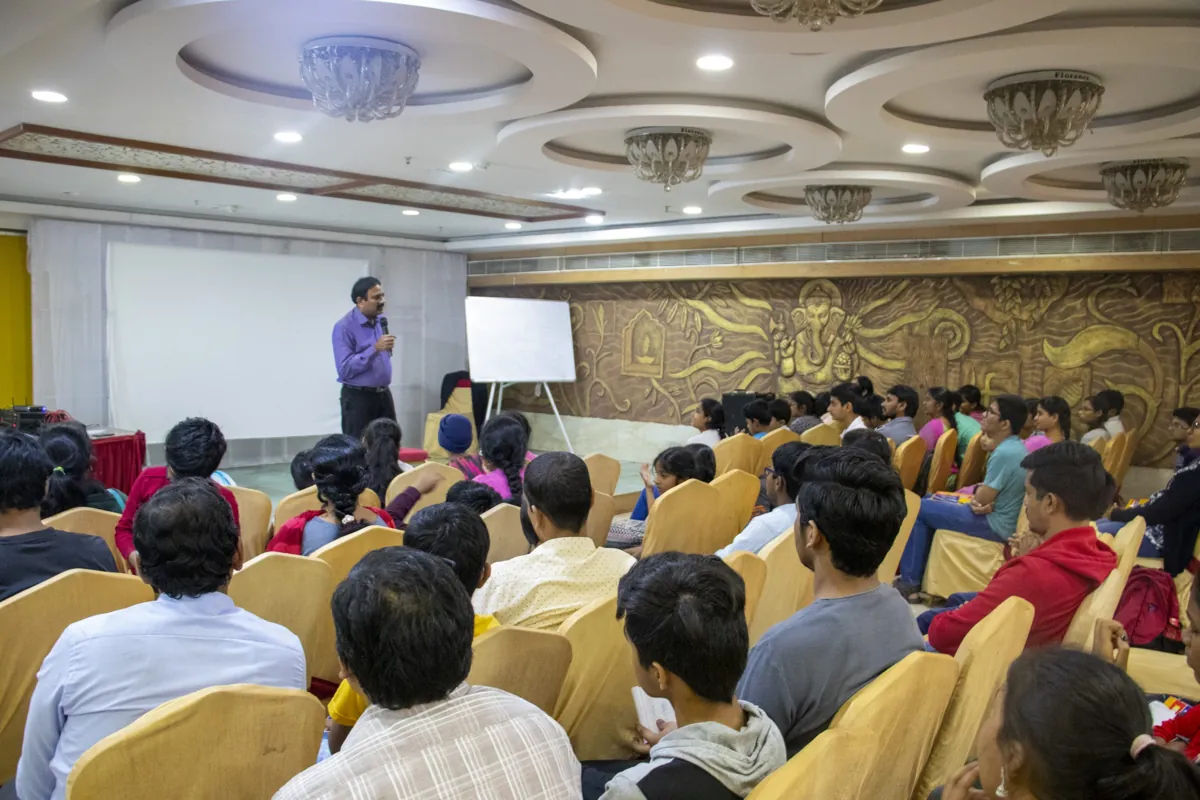

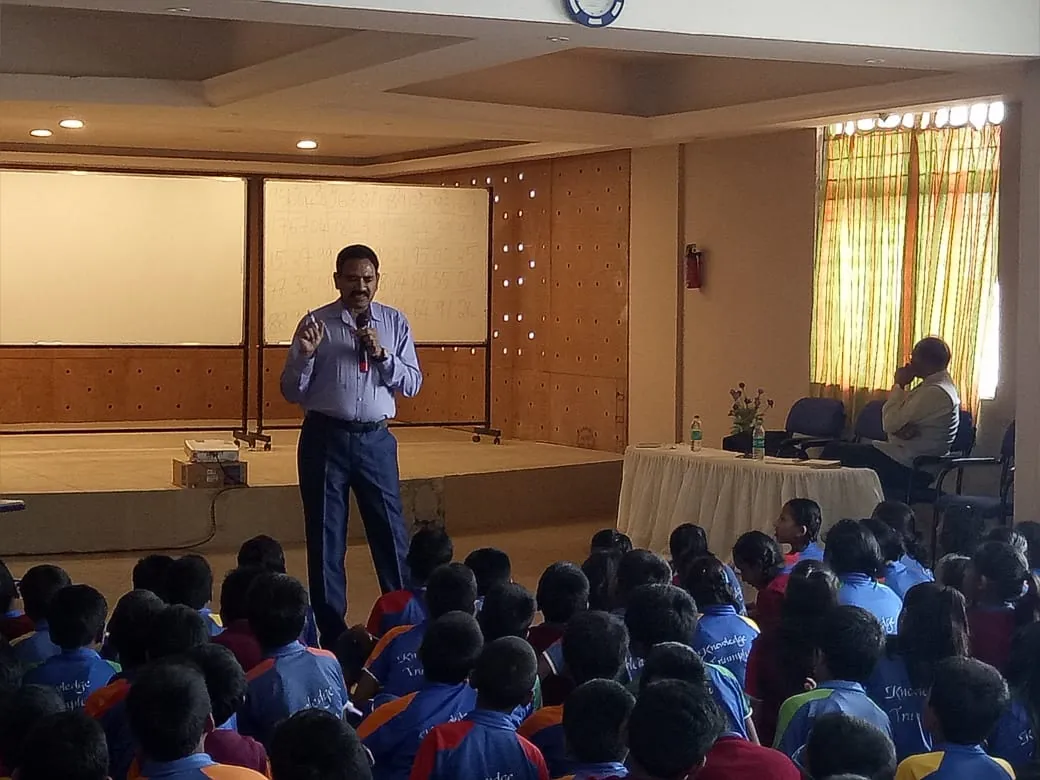

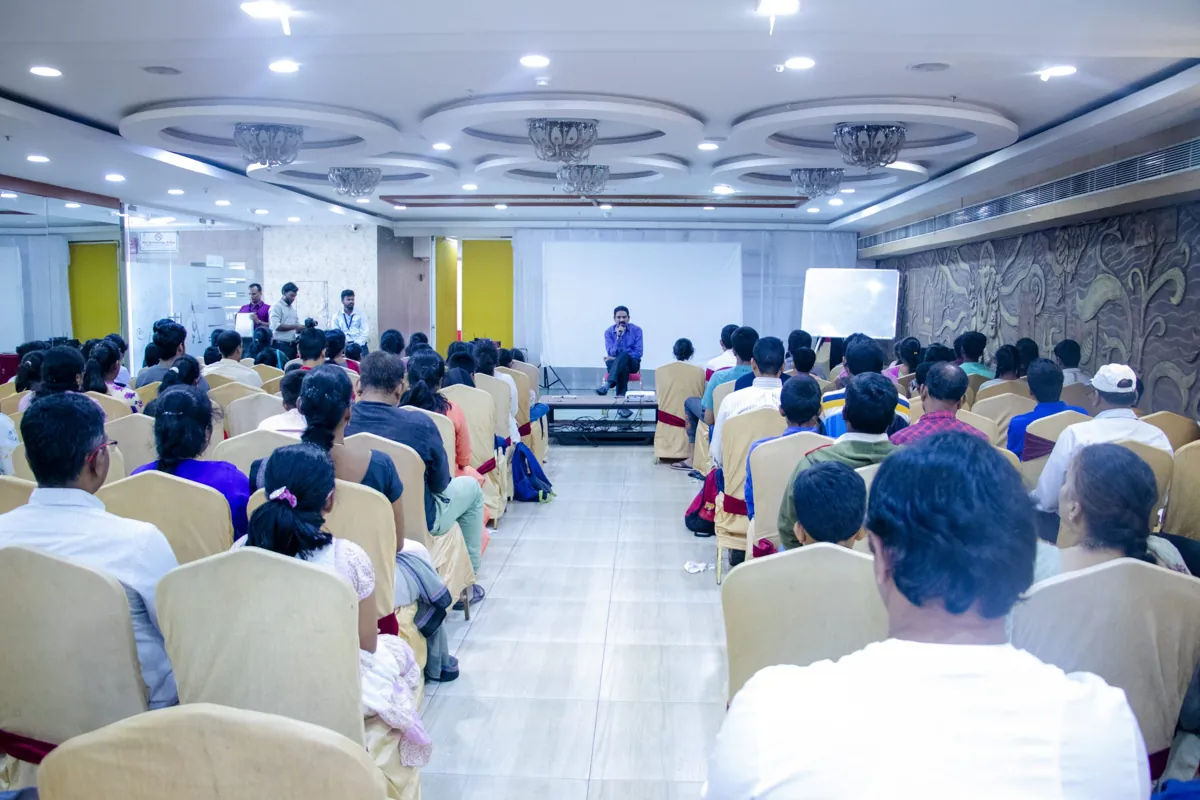

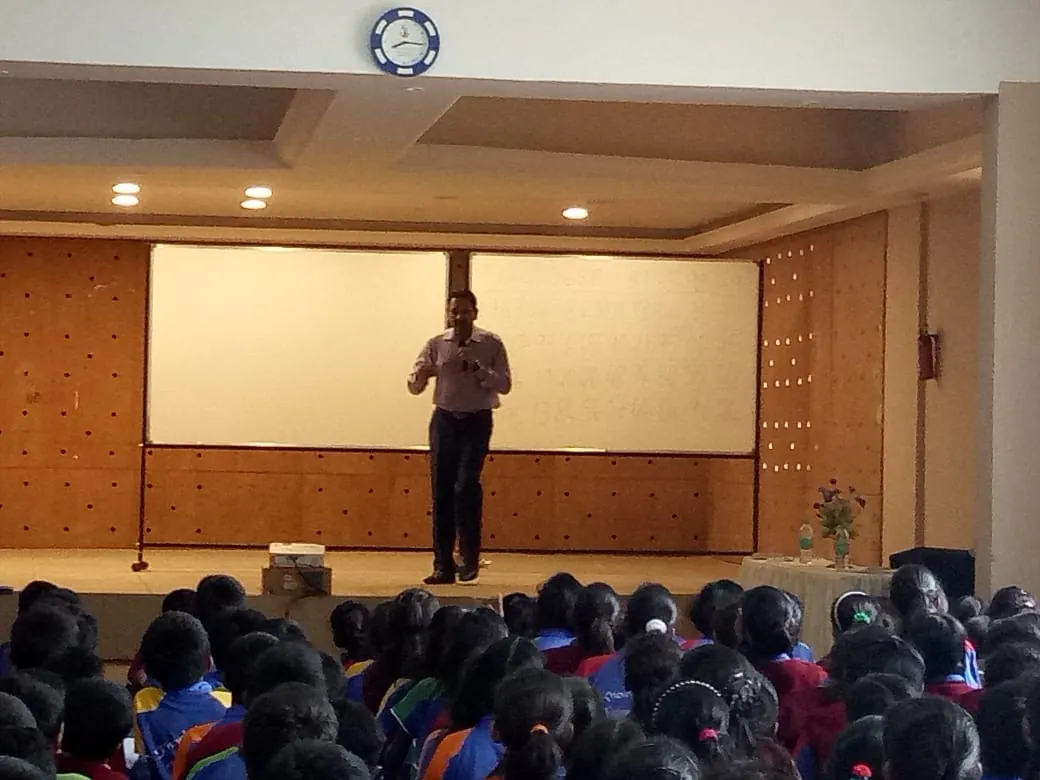

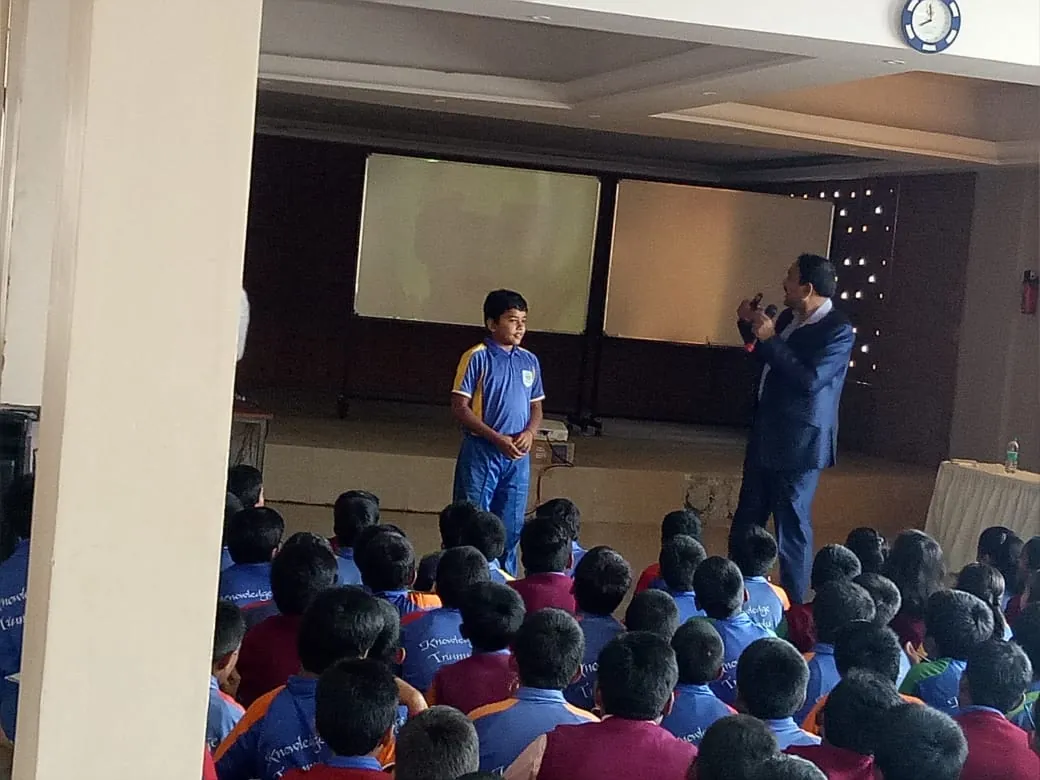
Schools he has trained





- 3 lakh+students, teachers and professionals trained
- 14Guinness World Records, six for memory
- 15years in the Indian Air Force
- 20years of memory coaching
What we teach
Memory is the most requested program in schools. Memory and study skills are the core. Children learn to remember what they study, handle exam fear and stay focused.
Creative visualisation
Making vivid mental pictures so that information sticks.
What you cover
- Picturing words and numbers
- Making pictures bold and strange
- Using the senses
How it helps
The base for every other memory method.
Memorising scientific terms
The substitution method: turning hard scientific words into sounds and pictures you already know.
What you cover
- Substituting a known picture for a new word
- Linking the picture to the meaning
- Practice with real textbook terms
How it helps
Difficult terms become easy to recall in the exam.
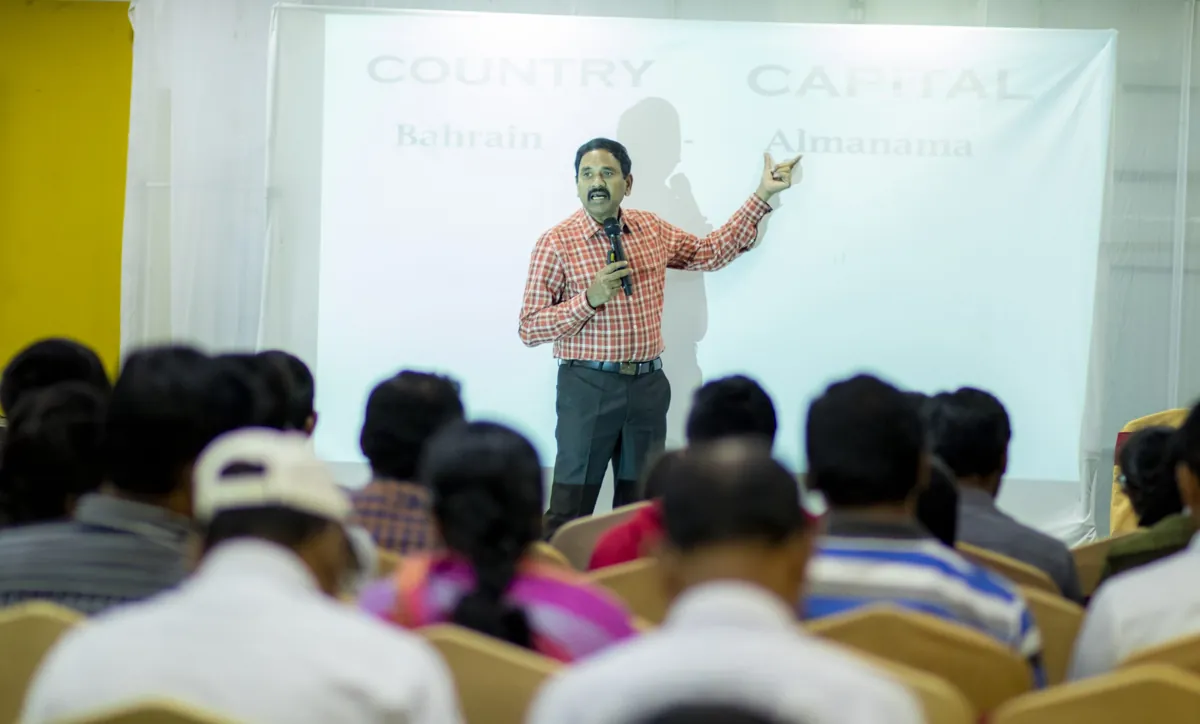
Countries, capitals and currencies
Learning countries and their capitals, currencies, parliaments and languages through pictures and stories.
What you cover
- Countries and capitals
- Currencies and parliaments
- Languages spoken
How it helps
General knowledge that stays for years.
Flags of the world
Remembering the flags of countries by turning their colours and designs into pictures.
What you cover
- Reading a flag as a picture
- Linking each flag to its country
- Practice with many flags
How it helps
A fun way to practise the memory methods.
Map pointing
Locating places on a map from memory, including the outline shapes of countries.
What you cover
- Remembering outline shapes
- Placing locations on the map
- Practice for geography exams
How it helps
Map questions become easy marks.
Long answers and essays
Using the visualisation method to hold the points of a long answer in order.
What you cover
- Breaking an answer into key points
- Turning points into pictures
- Writing it back in order
How it helps
Long answers can be written fully and in order.
Phonetic method
Turning numbers into sounds and then into words you can picture.
What you cover
- A sound for each digit
- Forming words from numbers
- Remembering long numbers
How it helps
Phone numbers, dates and figures become easy to hold.
Mnemonic systems
Ready-made systems that give every item a place or a code.
What you cover
- Different mnemonic systems
- Choosing the right one for the task
- Practice with real material
How it helps
You can remember long lists in order.
Mechanical method
For text that must be reproduced word for word, such as definitions, equations and formulae.
What you cover
- Definitions and equations
- Formulae
- Any text to be reproduced exactly
How it helps
Exact recall of definitions and formulae.
Judicious method
A method suited to science subjects, where understanding and memory work together.
What you cover
- Choosing what to memorise
- Linking ideas in a science chapter
- Recalling in the right order
How it helps
Science chapters become easier to hold.
English vocabulary
Remembering new English words and their meanings by linking each to a picture.
What you cover
- A picture for each word
- Linking sound and meaning
- Reviewing so words stay
How it helps
A bigger vocabulary in less time.
English spelling
Methods to stop common spelling mistakes by remembering the tricky part of each word.
What you cover
- Spotting the tricky part
- Linking to a word you already know
- Combining words
How it helps
Fewer spelling mistakes.
Remembering what you read
How to keep what you read for a long time instead of losing it by next week.
What you cover
- Reading with questions in mind
- Turning key points into pictures
- Reviewing at the right times
How it helps
Reading time is not wasted.
Concentration techniques
Simple methods to keep the mind on one thing for longer.
What you cover
- What breaks attention and how to avoid it
- Short exercises that train focus
- Setting up a place and routine for study
How it helps
Less time lost to distraction, better results from the same hours.
Tackling examination fear
Understanding why exam fear happens and what to do about it before and during the exam.
What you cover
- Calming the body and the mind
- A revision plan that removes last-minute panic
- Handling the paper in the exam hall
How it helps
Students walk into exams calmer and perform closer to what they know.
Study techniques
Ways of studying that suit how the brain works.
What you cover
- Reading for understanding
- Mind maps and notes
- Revision on a schedule
How it helps
Better use of study time.
Keeping the brain active
Simple habits and mental exercises that keep the mind sharp.
What you cover
- Brain exercises
- Daily habits for an active mind
- Food, sleep and rest
How it helps
A fresher, more alert mind.
Textbook application
Using the memory methods on the student's own textbooks.
What you cover
- Picking a chapter
- Applying the method to it
- Testing recall
How it helps
Students see the methods work on their own subjects.
Speed reading
Reading faster without losing the meaning. Most Indians read 150 to 250 words per minute, and the aim is to double that.
What you cover
- Quieting the inner voice
- Using the eyes to take in word groups
- Checking understanding at speed
How it helps
Textbooks, notes and reports take much less time to get through.
Motivation and attitude
Why some students keep going and others give up, and how a positive attitude can be built like a skill.
What you cover
- Spotting and dropping limiting beliefs
- Setting a reason to work hard
- Staying positive after a setback
How it helps
A steadier, more positive approach to studies and life.
Multiple intelligences
The idea that people are smart in different ways, for example with words, numbers, pictures, music, movement or people.
What you cover
- The different kinds of intelligence
- Finding your own strengths
- Studying in the way that suits you
How it helps
Every child can see where they are strong and learn in a way that works for them.
Creativity
Ways to come up with fresh ideas and see problems from new angles.
What you cover
- Warm-ups that loosen thinking
- Combining ideas to make new ones
- Turning an idea into a plan
How it helps
Better ideas in projects, presentations and problem solving.

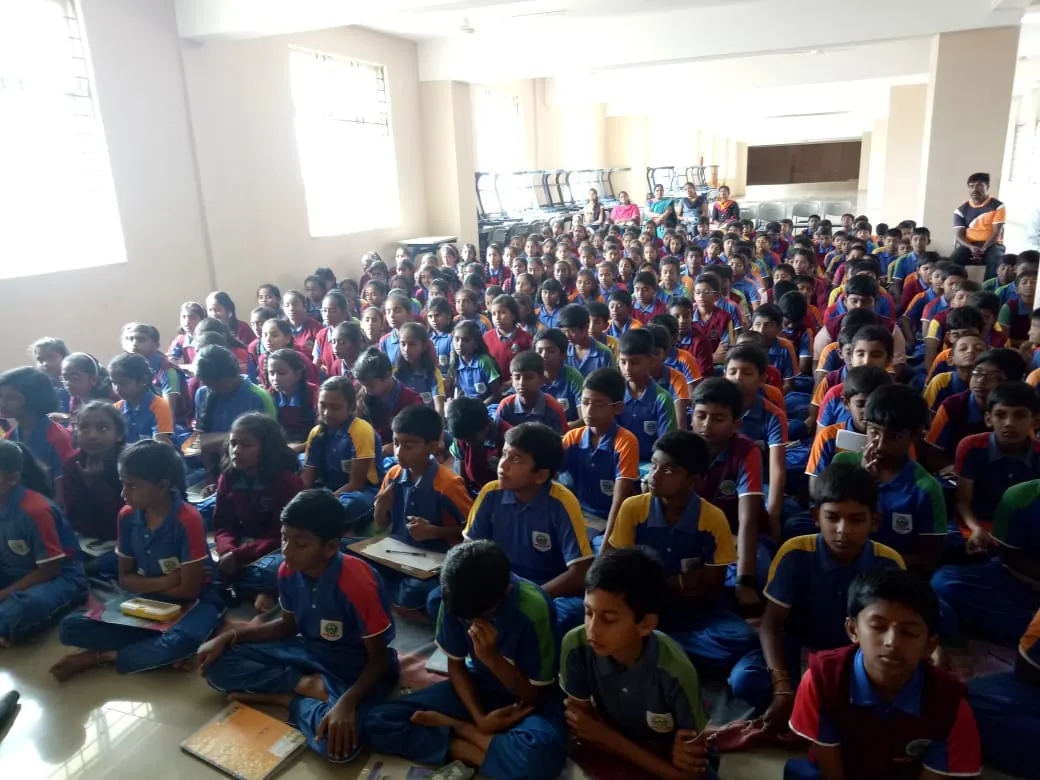

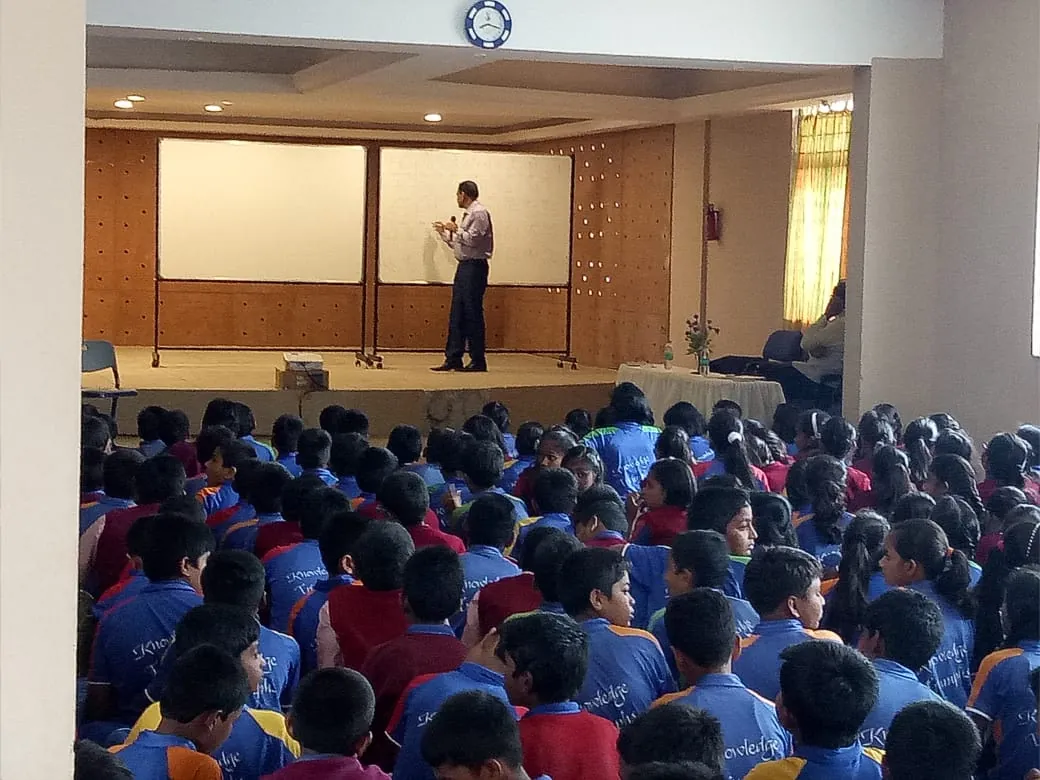
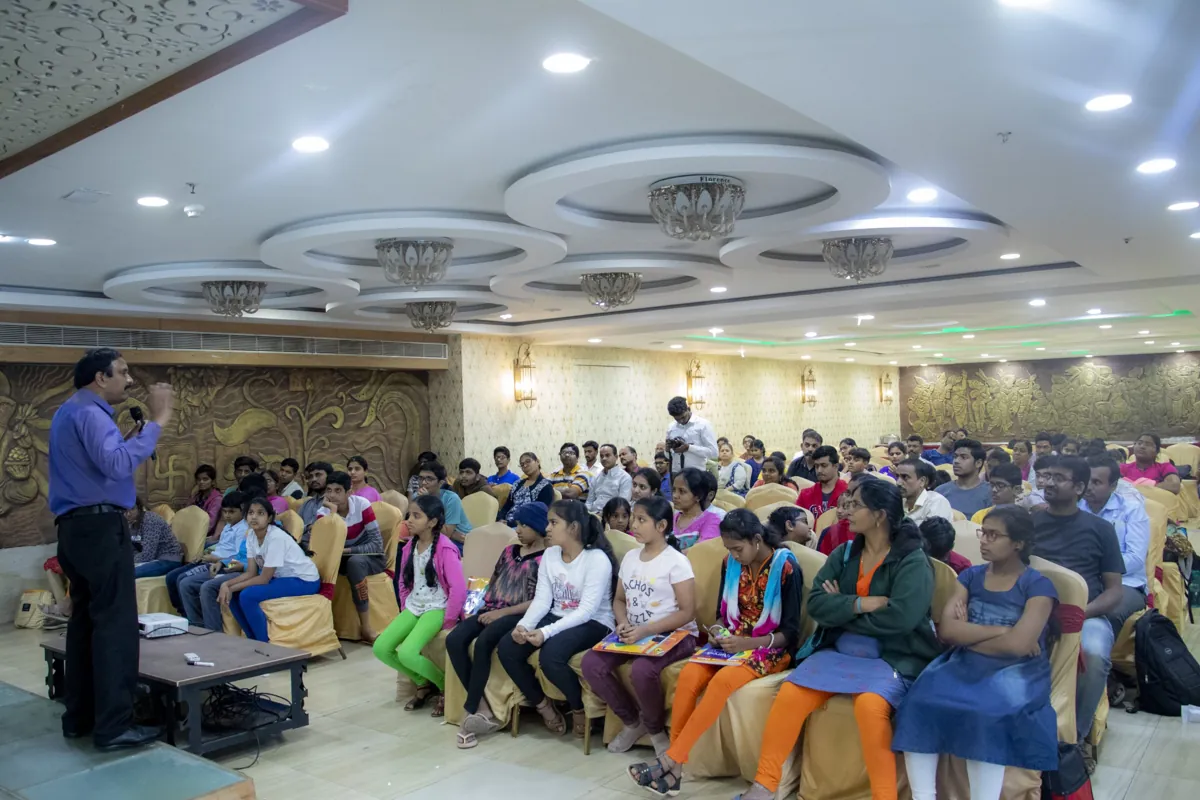


Watch him teach.
A few of his most watched videos, so you can see how he teaches before you invite him.
10 Daily Habits to Keep Your Brain Healthy221K views on YouTube
10 Easy Dopamine Hacks for Study Motivation141K views on YouTube
Imagine With Me: A Simple Memory Technique2.7K views on YouTube
What each student will learn.
- Unbelievable memory demonstrationWatch Squadron Leader Jayasimha do it live.
- Creative visualisationMemorise lists of words, key points, long answers, essays and speeches.
- Scientific terminologyMemorise hard terms with ease.
- NumbersHistorical years, constants and numerical data become easy to remember.
- English vocabularyRemember new words and their meanings.
- English spellingOvercome common spelling mistakes.
- Countries, capitals and general knowledgeLearn them and keep them.
- Formulae, equations and theoremsMemorise them for exams.
- Science subjectsHow to study them.
- Long term memoryHow to remember what you study for a long time.
- Textbook applicationUse the techniques on the textbook itself.
- Study techniquesSmart ways to study.
- ConcentrationDevelop it.
- Exam fearOvercome it.
- One weak subjectOvercome weakness in a subject.
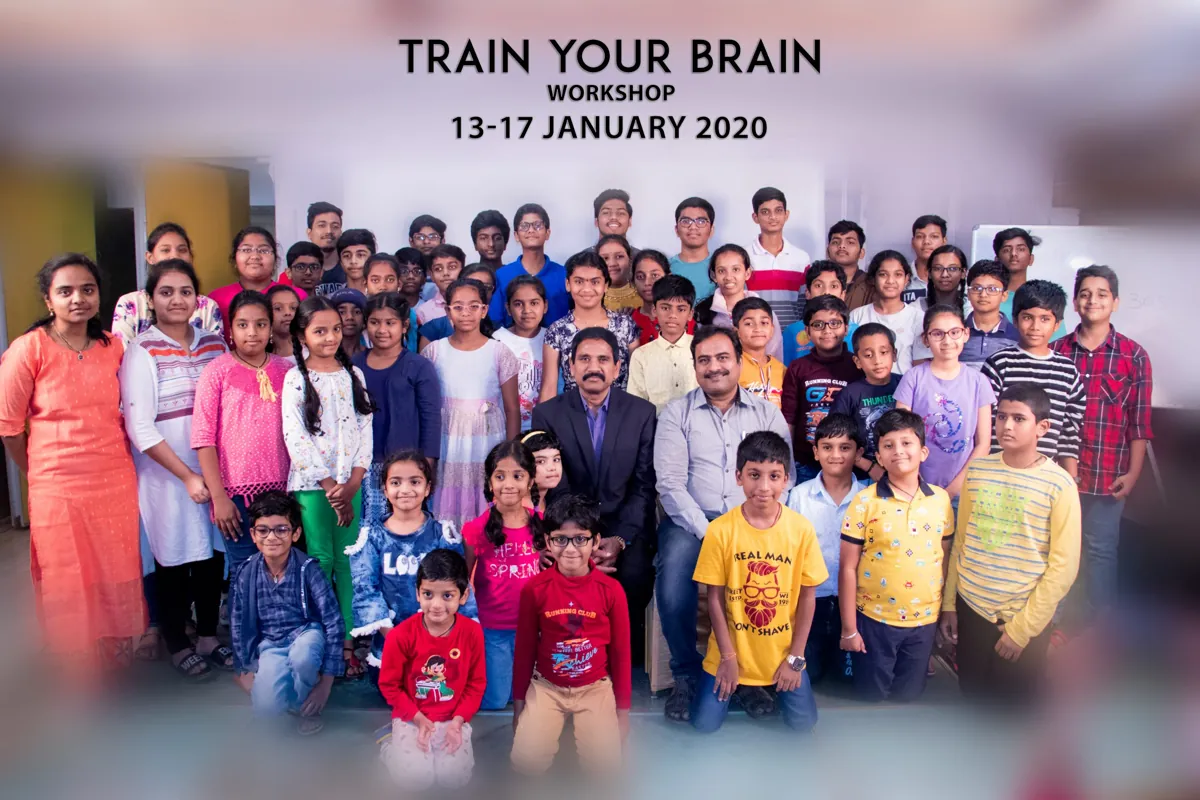
The Train Your Brain workshop, in detail.
There is no such thing as a good memory or a bad memory. There is only a trained memory and an untrained one. Memory is a skill, and it can be learned.
How long
Five days, two hours a day, ten hours in all. It starts with a two hour demo seminar, and we plan the full workshop after that.
What it aims at
Students learn basic memory techniques and understand how their brain works. They memorise textbooks through smart work, not hard work, and learn concentration, brain gym exercises, smart study techniques and how to face competitive exams.
Fitted to your time
He adds or drops topics depending on the time available, so the program fits your timetable.
How it is taught
Learning by doing. Every student takes part and practises. Squadron Leader Jayasimha leads, and two more trainers assist during practice sessions.
What you provide
An auditorium with a public address system, an LCD projector, a screen, a white board and some marker pens.
What students get
A workbook for every participant and a certificate of participation.
Who it is for.
Students
Memory and study skills, speed reading, concentration and tackling exam fear.

 14 Guinness records
 Air Force veteran
 TEDx speaker
 President, Memory Sports Council
Who will be teaching.
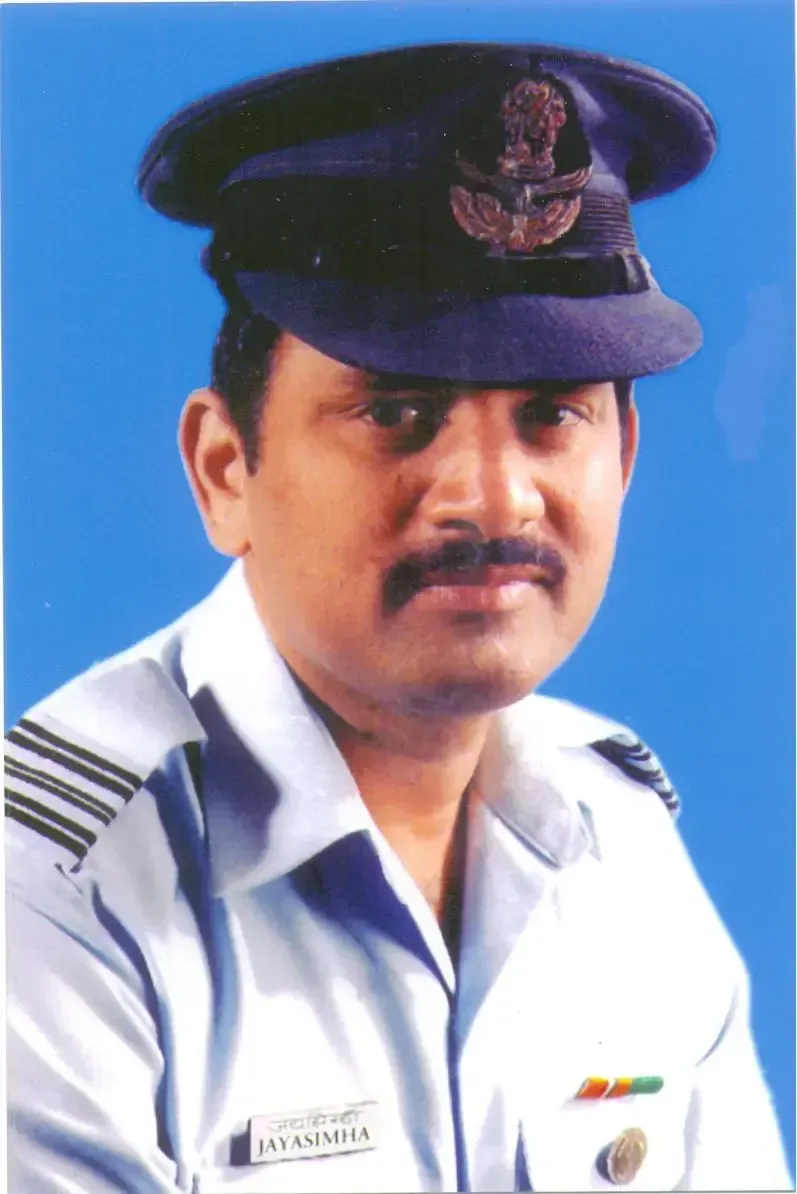
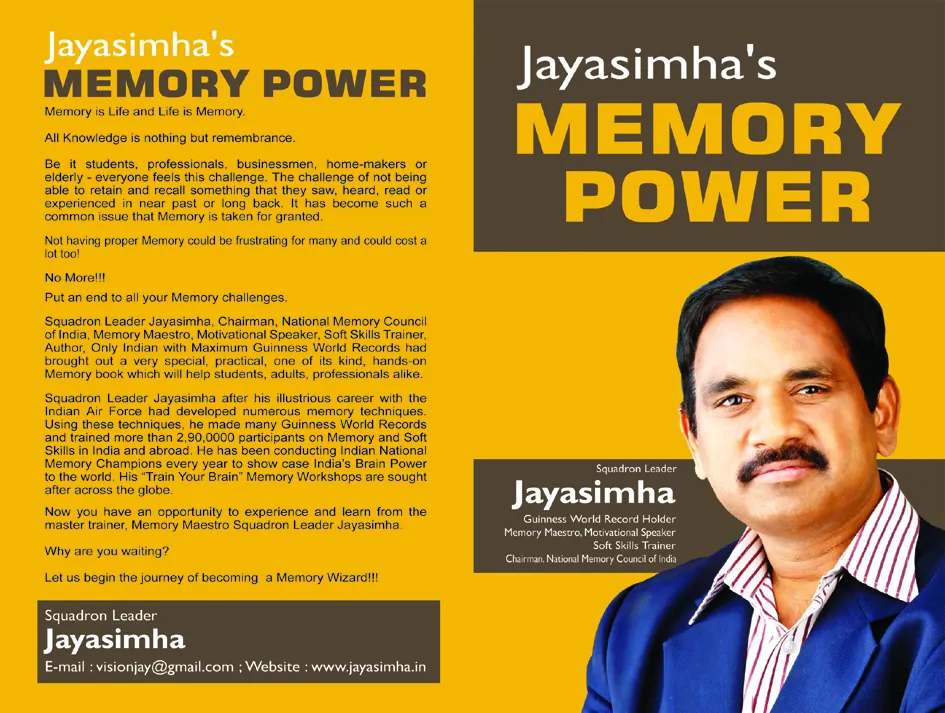
Squadron Leader Jayasimha
India's leading trainer in memory and soft skills, and a retired Indian Air Force officer.
- President, Indian Memory Sports Council, and Managing Director of Jayasimha Mind Education, Hyderabad.
- Holds 14 Guinness World Records, including memorising 200 random objects, 20 names and birth dates in two minutes, and 103 random calendar days in one minute.
- Served 15 years in the Indian Air Force. Won the President's Plaque for standing first in the Ground Duty Officers' Course at the Air Force Academy, and the Chief of Air Staff Commendation.
- Graduate of the Defence Services Staff College, Wellington.
- Chief Memory Consultant for the Limca Book of Records.
- Founder president of Vision Toastmasters, Hyderabad.
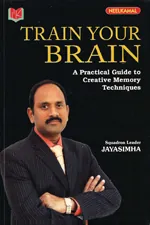
- Author of books on memory, confidence, careers, success and family life. Train Your Brain is a best seller on memory and study skills.
- MBA (HR), MS in Counselling and Psychotherapy, MSc (Applied Psychology), MSc (Mathematics), MSc (Defence and Strategic Analysis), M Stats (ISI Calcutta), B Ed and more.
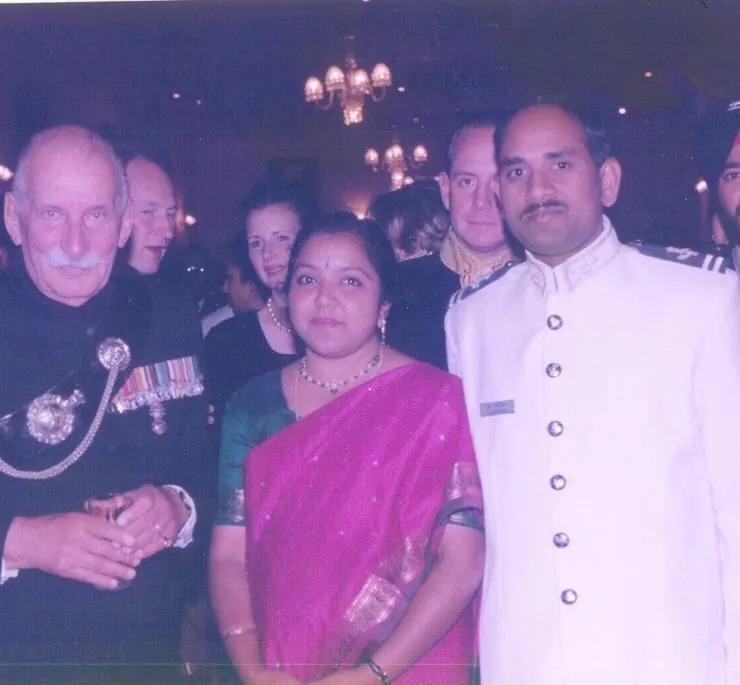
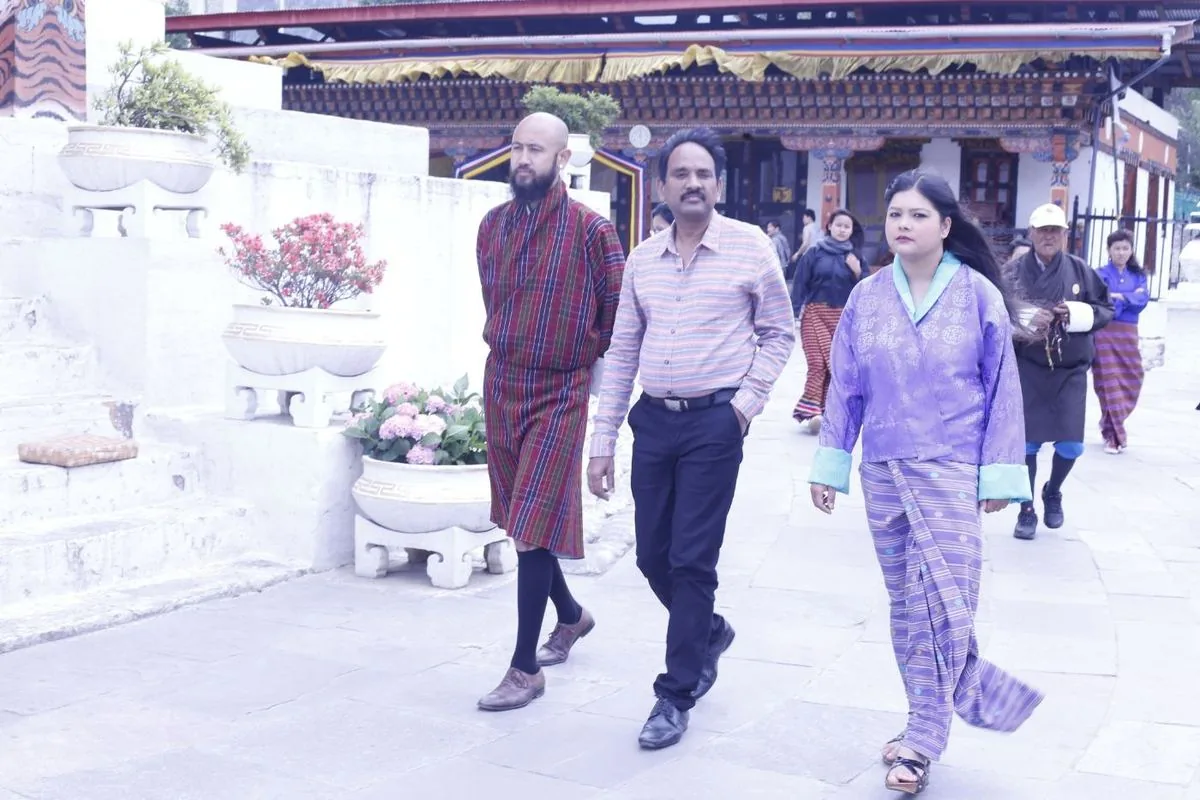

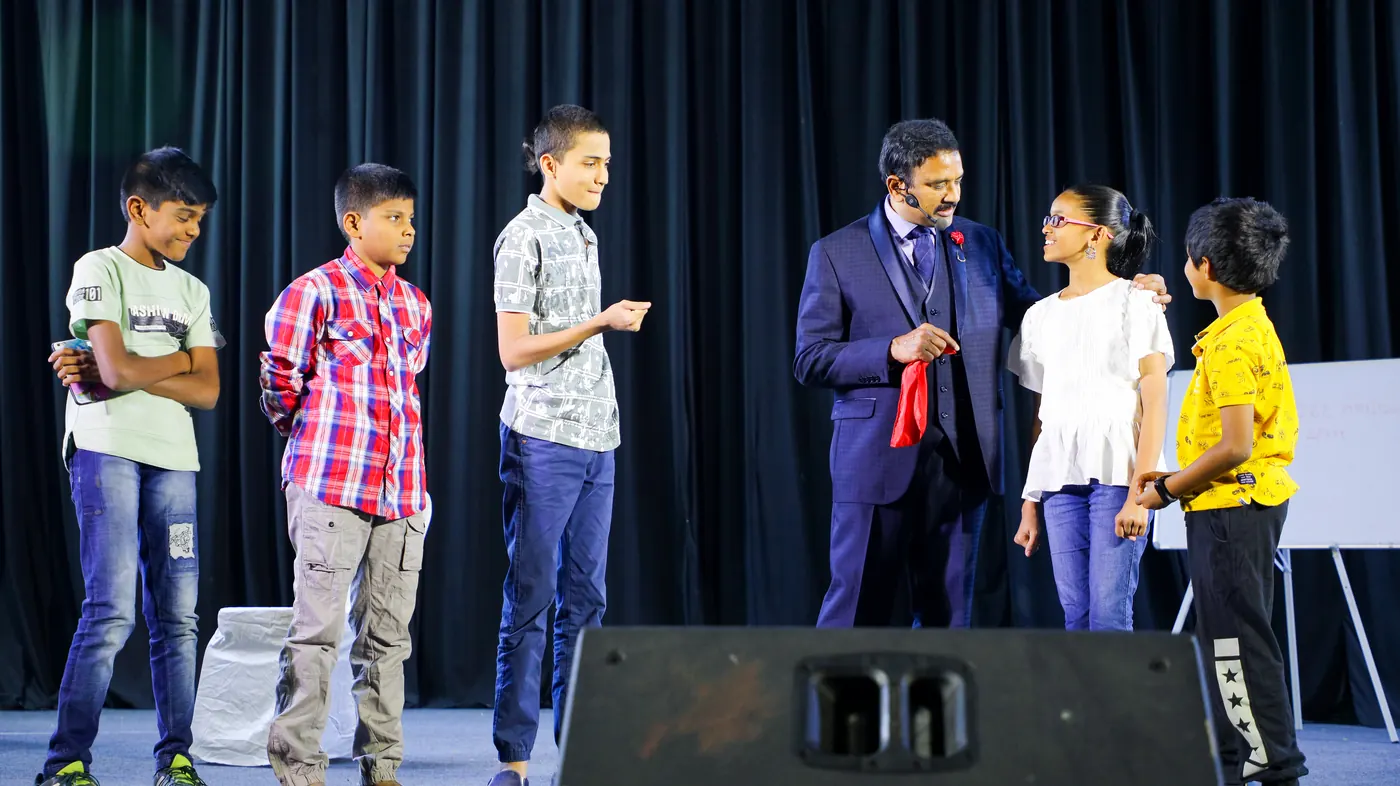
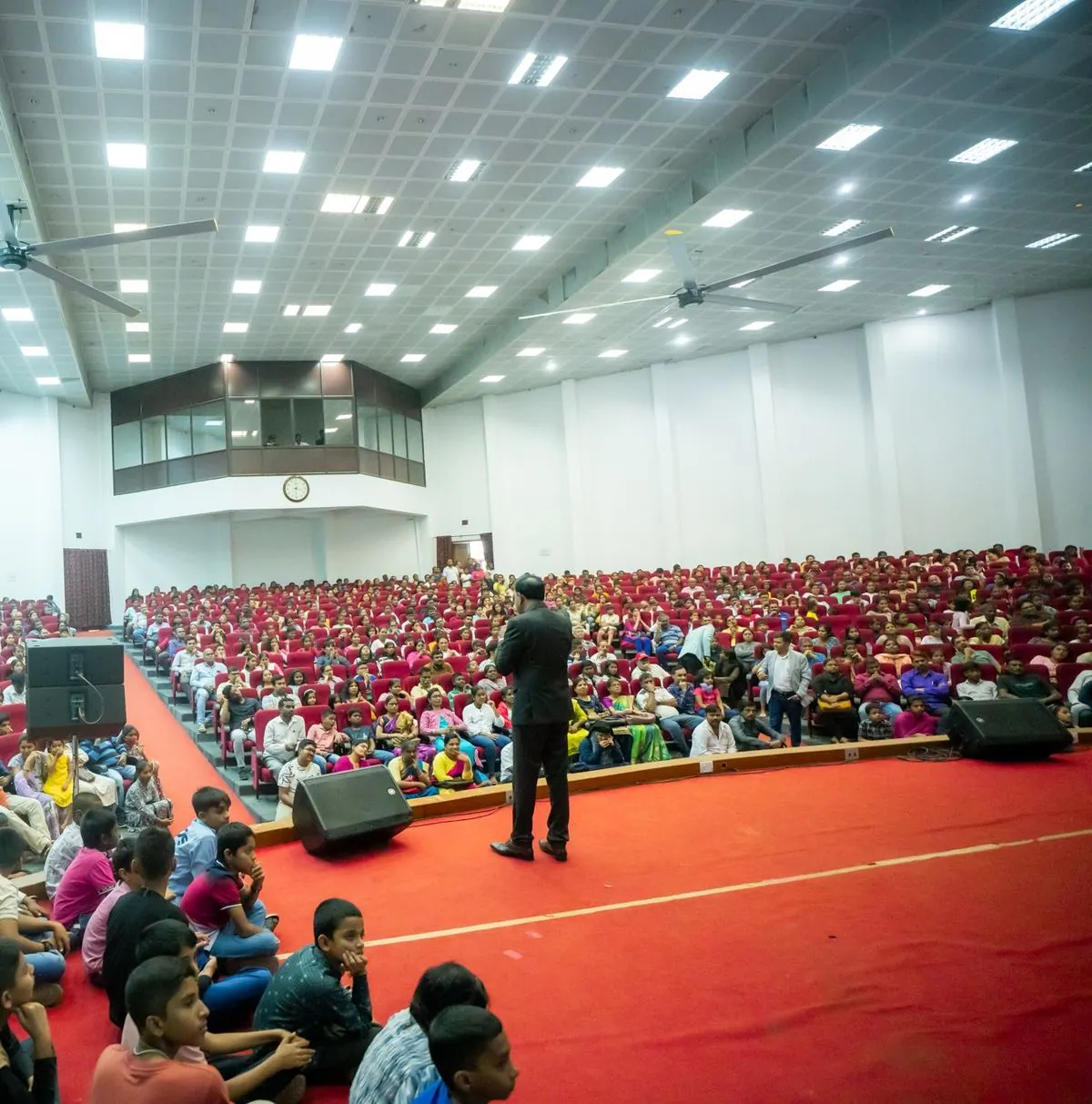
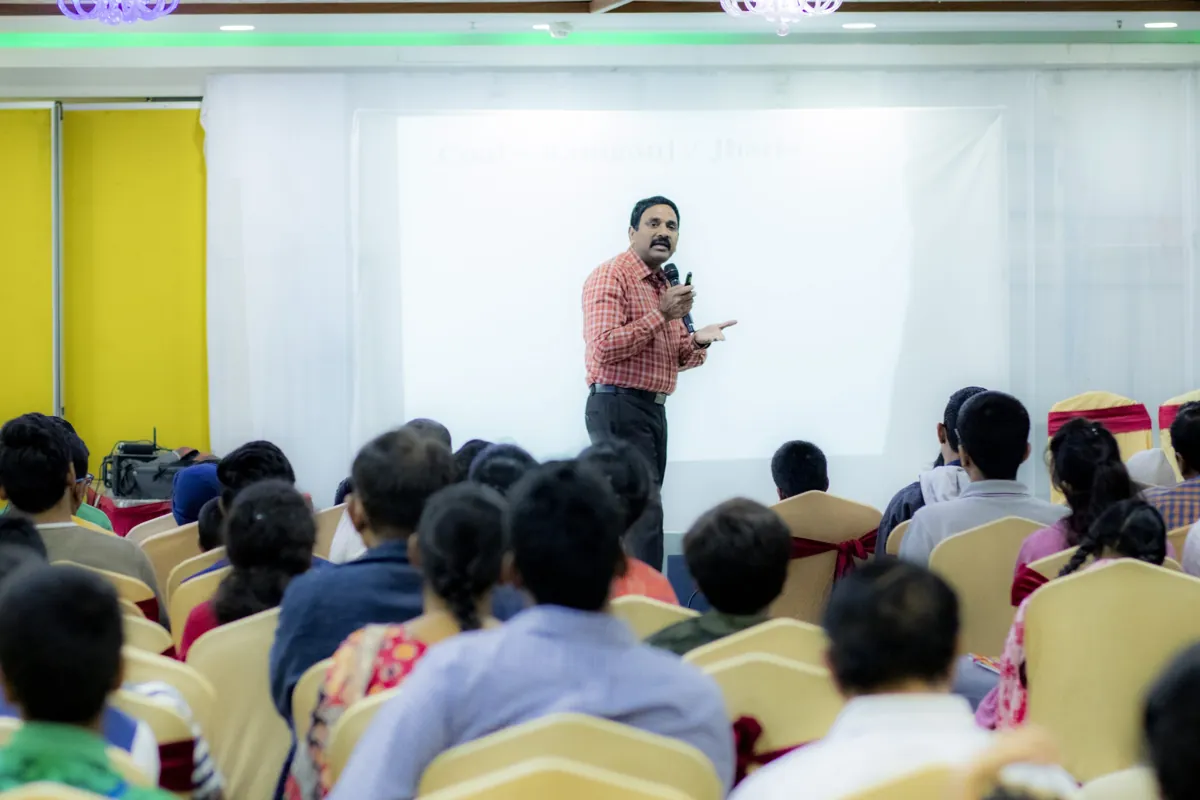
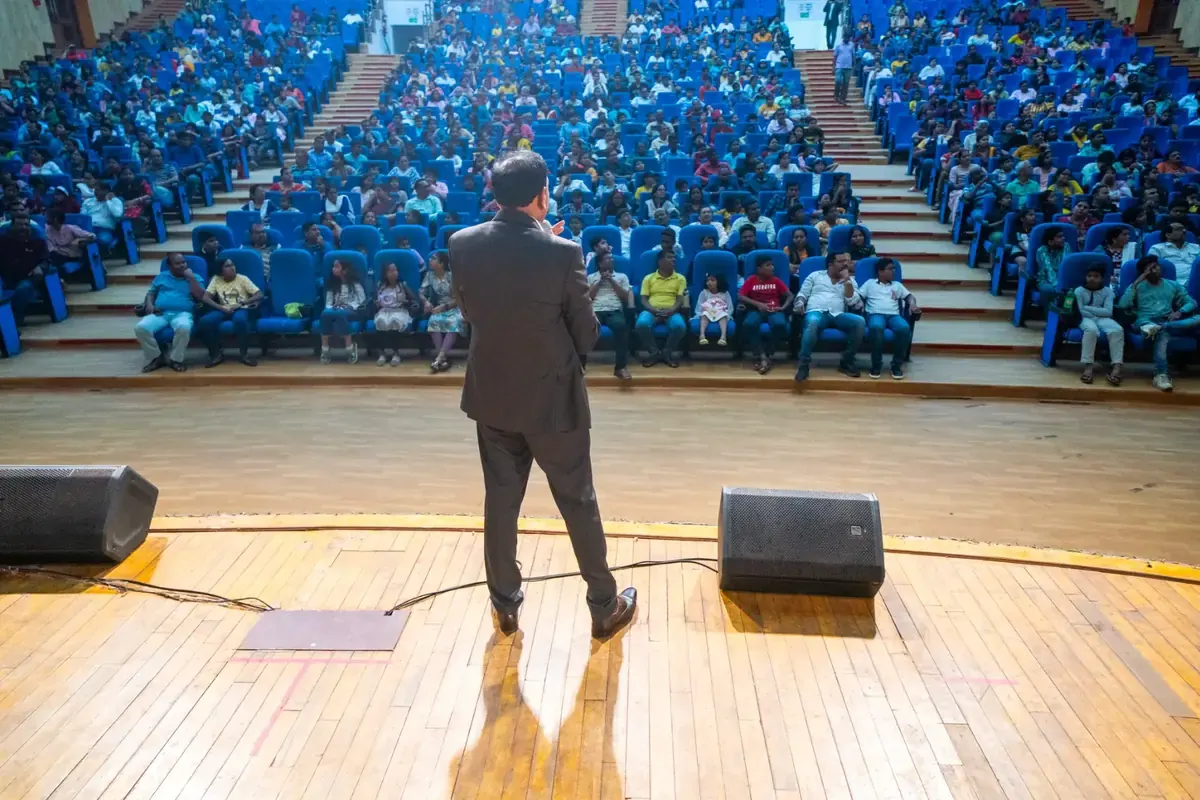
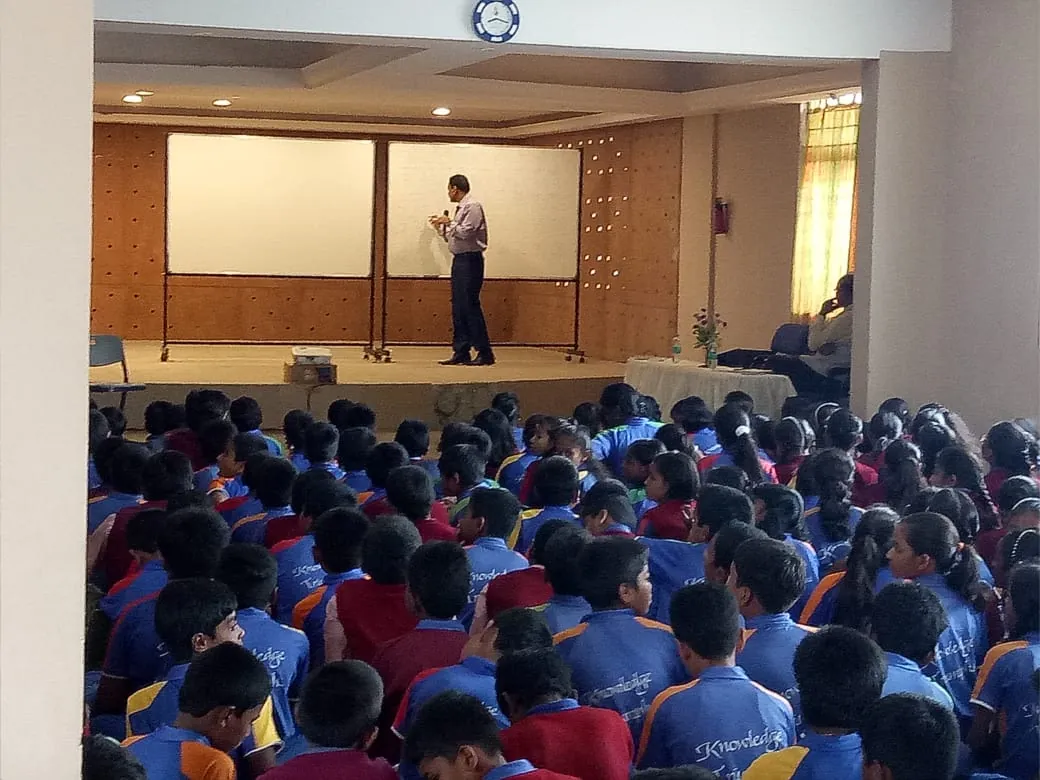
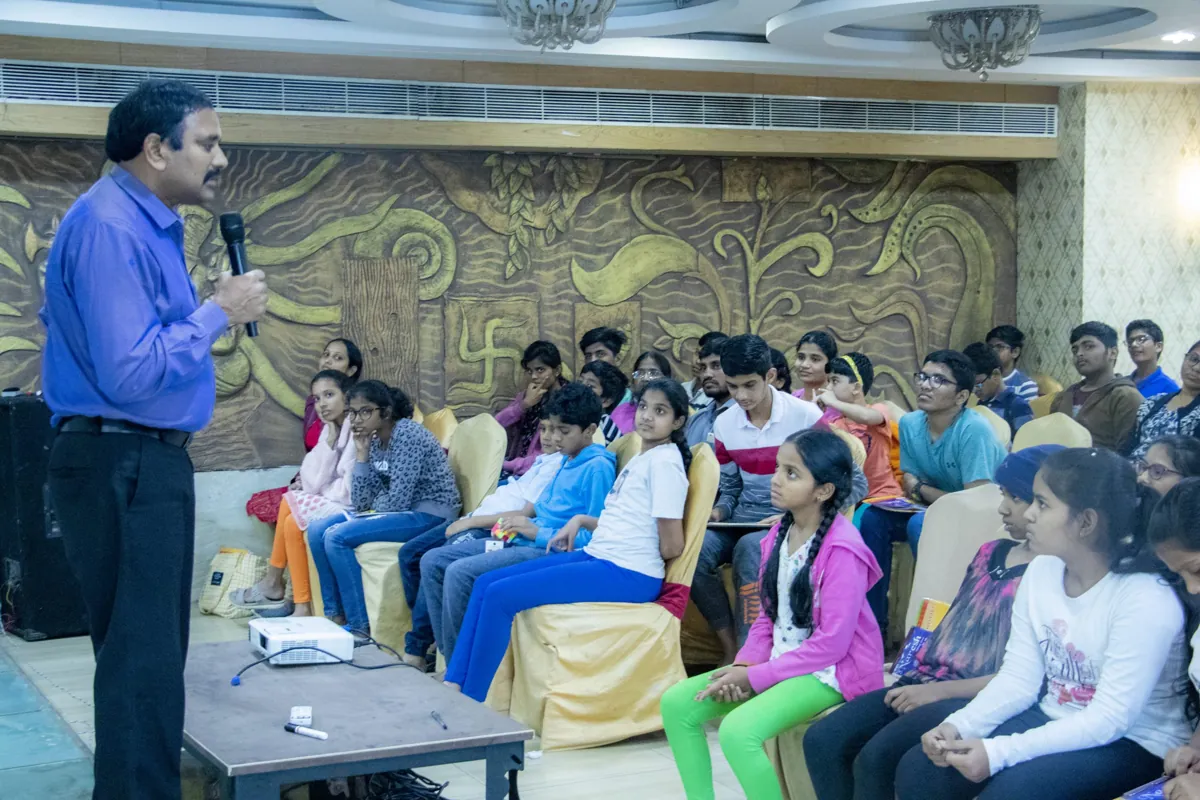
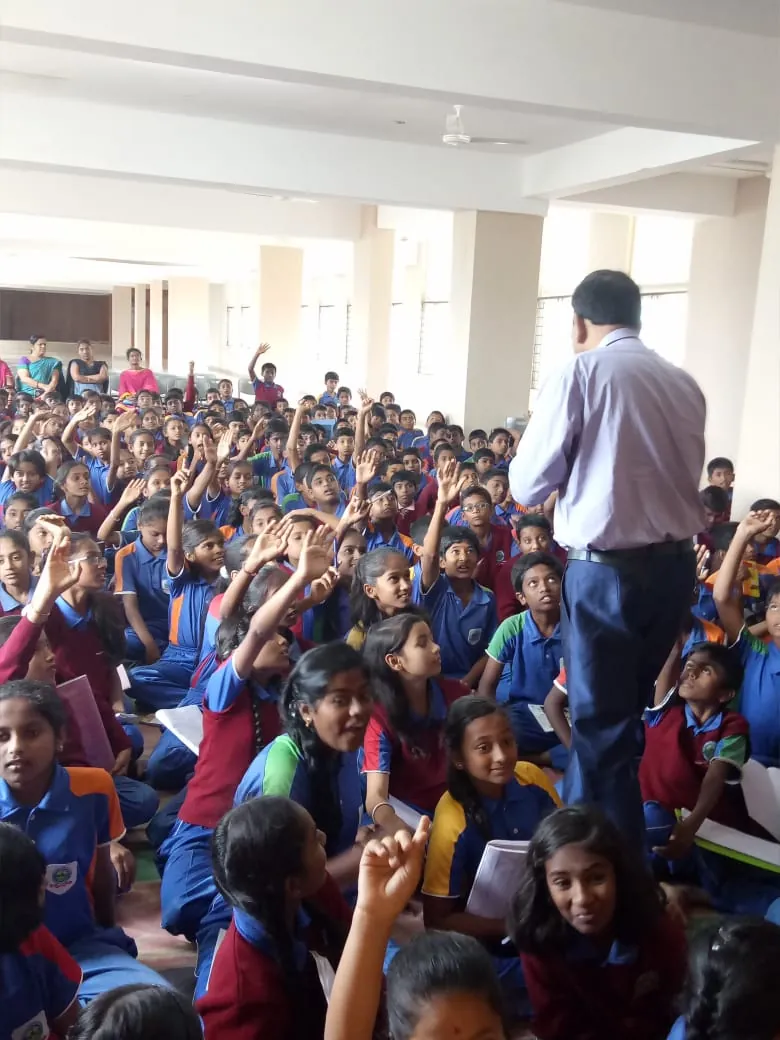
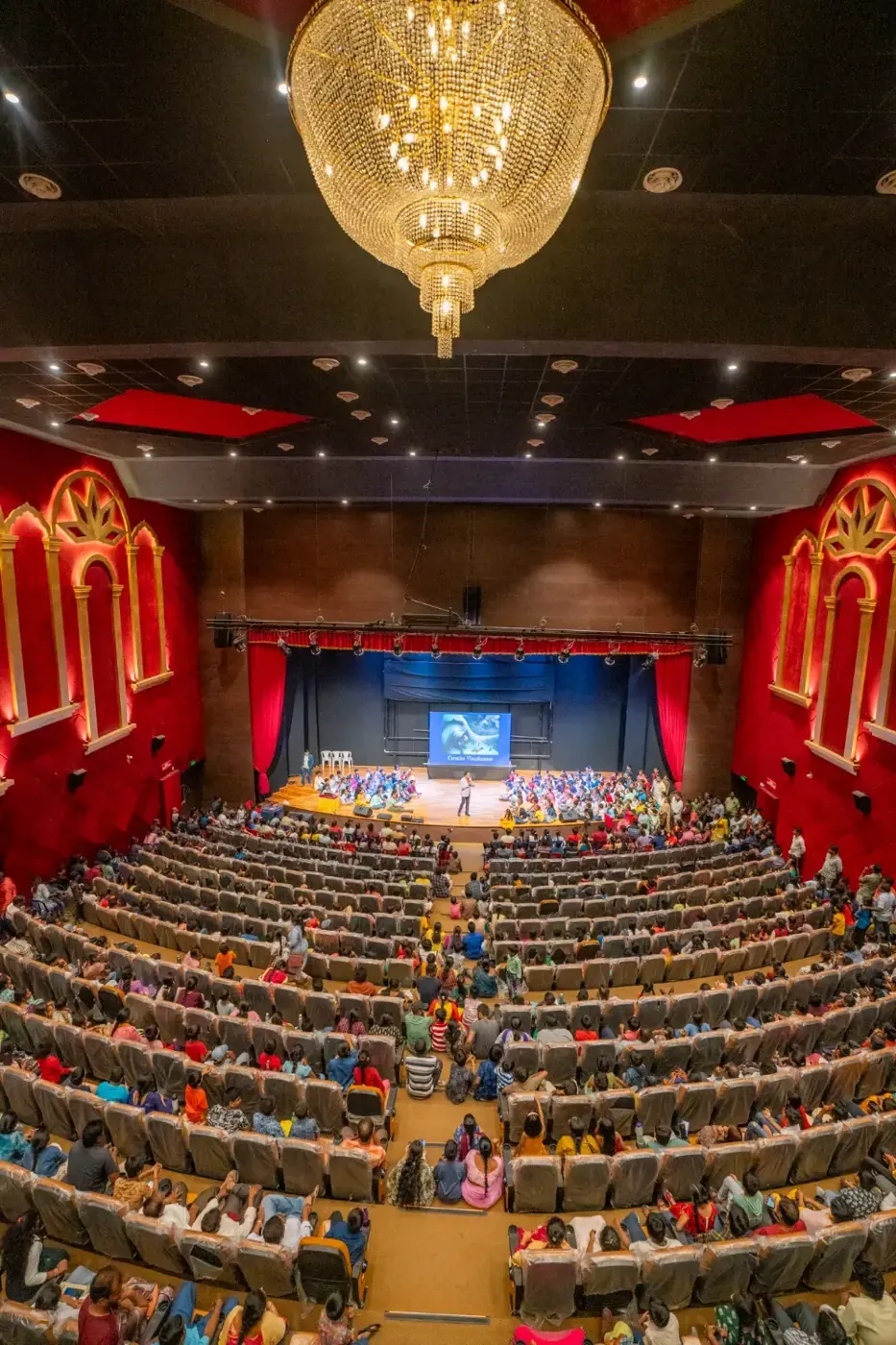
In school halls and auditoriums.







Featured in print and on television









How it works.
- Tell us about your schoolShare the classes and the date you prefer.
- A two hour demo seminarHe starts with a two hour demo seminar, so your students see the method first hand. We share the price once we know your place and date and have talked it through.
- The full workshopAfter the demo, we sit down and plan the full workshop together: ten hours, two hours a day, in batches of up to 100 students.
Every session runs at your school.
Bring the workshop to your school.
Tell us the classes, the number of students and your preferred date. We will reply with a plan.